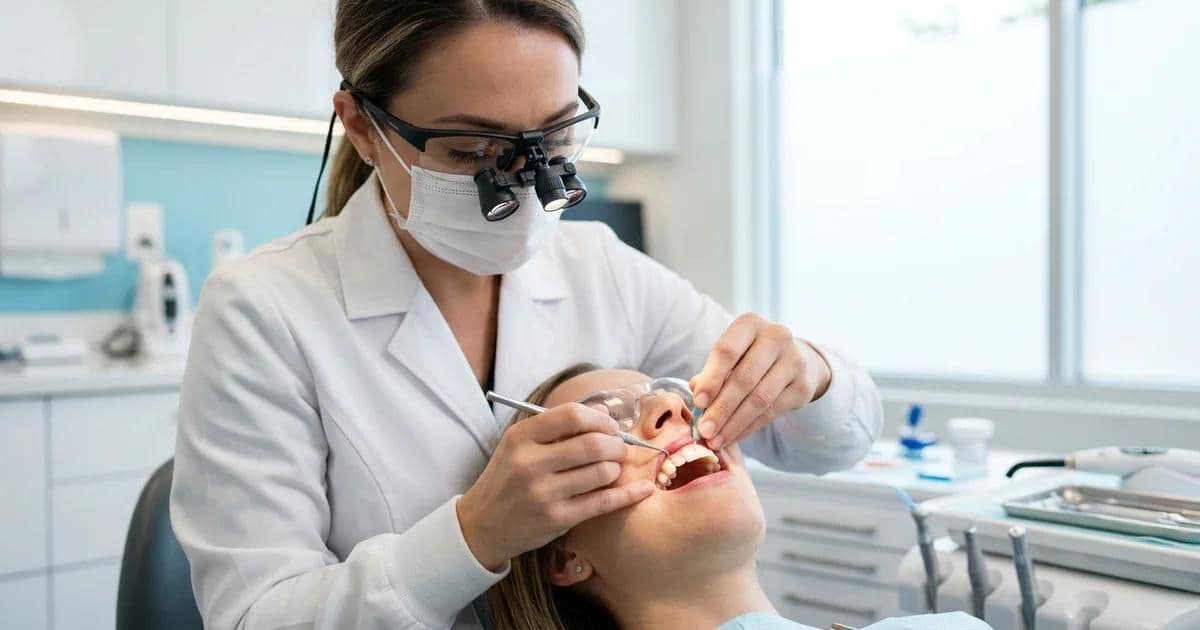
Everything you need to know about composite bonding in Turkey -- what the procedure involves, how it compares to porcelain veneers, and how to choose a clinic that won't cut corners.
Composite bonding in Turkey is one of the fastest, least invasive ways to fix chipped, gapped, or discoloured teeth -- and it's a fraction of the cost you'd pay in the UK or Germany. This guide covers the procedure, who it's right for, how it stacks up against veneers, and what to look for in a clinic.
Composite Bonding at a Glance
Feature
Detail
Procedure type
Tooth-coloured composite resin applied and sculpted directly
Treatment time
1-2 hours (single visit)
Anaesthesia
Usually not required
Longevity
5-7 years with proper care
Good candidate
Chips, gaps, discolouration, minor shape irregularities
Not ideal for
Severe misalignment, heavy grinding, large structural damage
Recovery
None -- eat and drink the same day
Savings vs UK
Significant (typically a fraction of UK private fees)
What Is Composite Bonding and Who Is It For?
Composite bonding uses a tooth-coloured resin that your dentist applies, sculpts, and hardens directly on your teeth. Unlike veneers or crowns, there's no lab work and no waiting period -- everything happens in one appointment.
The material is the same composite resin used in modern white fillings. Your dentist matches it precisely to your natural tooth shade, then builds up layers to reshape or repair the tooth. A curing light hardens each layer in seconds.
Ideal candidates
Bonding works best for targeted cosmetic fixes:
Chipped or cracked teeth -- the most common reason patients seek bonding
Small gaps between teeth (diastema closure)
Discolouration that doesn't respond to whitening
Uneven tooth edges or minor shape irregularities
Exposed root surfaces from gum recession
Who should consider alternatives
Composite bonding isn't the answer for everything. If you have severe crowding or misalignment, orthodontics is the right starting point. Heavy bruxism (teeth grinding) will wear through composite quickly -- porcelain veneers or a night guard may serve you better. And for teeth with significant structural damage, a crown provides the strength that composite can't.
A good clinic will tell you this upfront rather than bonding teeth that need a different solution.
Composite Bonding vs Veneers: Which Is Right for You?
This is the question most patients arrive with. Both improve your smile's appearance, but they're fundamentally different procedures.
Factor
Composite Bonding
Porcelain Veneers
Tooth reduction
None or minimal
0.3-0.7 mm removed
Reversibility
Fully reversible
Not reversible
Lifespan
5-7 years
10-20 years
Stain resistance
Moderate (can stain over time)
Excellent
Strength
Good for minor repairs
Superior for full coverage
Appointments
1 visit (same day)
2-3 visits over 5-7 days
Best for
Small fixes, younger patients
Full smile transformation
Composite bonding is the better choice when you want minor improvements without permanently altering your teeth. It's also a smart option for patients under 25, since teeth can still shift slightly and bonding is easy to adjust or remove.
Porcelain veneers make more sense for a full smile makeover or when you need superior stain resistance and durability. If you're considering that route, our dental veneers guide covers materials, the treatment process, and how to avoid the "turkey teeth" problem.
The short version: start with bonding if you're fixing a few teeth. Choose veneers if you want a complete, long-lasting transformation.
Advantages and Limitations: An Honest Look
Before you book, you should know both sides.
Advantages:
No drilling, no needles in most cases
Fully reversible -- your natural tooth stays intact underneath
Same-day results (one appointment)
Easy to repair or replace when it eventually wears
Significantly more affordable than porcelain veneers
Limitations:
Composite stains more easily than porcelain (coffee, red wine, tea)
Shorter lifespan (5-7 years vs 10-20 for porcelain veneers)
Less suitable for full smile makeovers -- best for 1-6 teeth
Results depend heavily on the dentist's sculpting skill
Not strong enough for severely damaged teeth (crowns are better)
Understanding these trade-offs is the first step to making the right decision. If you want a quick, reversible cosmetic fix, bonding is hard to beat. If you need durability and stain resistance across your full smile, veneers are worth the extra investment.
Should You Whiten Before Bonding?
Yes -- always. Composite resin can't be whitened after it's placed, so if you're considering teeth whitening at all, do it before bonding. Your dentist will then shade-match the composite to your newly whitened teeth.
Most clinics in Turkey can do a professional whitening session on Day 1 and bonding on Day 2 of your trip. This is a common combination and adds minimal time to your visit.
The Treatment Process in Turkey
Composite bonding is one of the simplest cosmetic dental procedures. Here's what a typical appointment looks like.
1. Consultation and assessment
Your dentist examines your teeth, takes X-rays if needed, and discusses what you want to achieve. This is where they'll honestly assess whether bonding is the right treatment -- or whether veneers or another approach would give you a better result.
2. Shade matching
Using a shade guide, your dentist selects a composite resin colour that matches your natural teeth. This step matters more than most patients realise. A skilled dentist doesn't just match the overall shade -- they layer multiple tones to replicate the translucency of natural enamel.
3. Tooth preparation
The tooth surface is lightly etched with a conditioning gel, which creates a slightly rough texture for the resin to grip. This takes about 30 seconds per tooth. No drilling, no needles in most cases.
4. Bonding and sculpting
Your dentist applies the composite resin in thin layers, sculpting each one to the desired shape. Each layer is hardened with a UV curing light before the next is applied. This layering technique is what separates a natural-looking result from one that looks obviously artificial.
5. Shaping and polishing
Once all layers are built up, the dentist trims, shapes, and polishes the bonding until it blends seamlessly with your surrounding teeth. The final polish gives it a natural sheen that mimics enamel.
The entire process takes 30-60 minutes per tooth. Most patients have 2-4 teeth bonded in a single session of 1-2 hours.
How Long Does Composite Bonding Last?
With proper care, composite bonding lasts 5-7 years before it needs replacing or touching up. A systematic review published in Dental Materials found annual failure rates of just 1-5% for direct composite restorations, confirming that well-placed bonding holds up reliably over time.
Several factors affect how long yours will last:
Diet -- frequent coffee, tea, red wine, and curry can stain composite faster than porcelain
Oral hygiene -- regular brushing and flossing prevents staining and edge deterioration
Biting habits -- chewing ice, pens, or fingernails can chip bonding
Grinding -- bruxism significantly shortens composite lifespan (a night guard helps)
Dentist skill -- proper layering technique and isolation during bonding affect adhesion strength
Maintenance tips
Use a non-abrasive toothpaste (avoid charcoal or whitening pastes with coarse particles)
Get professional cleaning every six months -- your hygienist can polish the bonding back to its original lustre
Avoid biting directly into hard foods (apples, crusty bread) with bonded teeth
If you grind your teeth at night, wear a custom night guard
Don't use your teeth as tools -- no opening packages or tearing tape
What to eat and avoid
In the first 48 hours after bonding, stick to soft foods and avoid anything that could put stress on the fresh composite:
Avoid for 48 hours: hard nuts, apples (bite with side teeth), crusty bread, ice, popcorn kernels
Avoid long-term for stain prevention: excessive coffee, red wine, dark berries, turmeric, tobacco
The good news: when bonding does eventually wear or stain, it's straightforward to repair or replace. Your dentist can remove the old composite and apply fresh material without any damage to the underlying tooth.
How to Choose a Clinic for Composite Bonding in Turkey
Composite bonding looks simple, but the quality gap between clinics is enormous. The material is the same everywhere -- the difference is the dentist's skill and the clinic's standards.
What to verify
Dentist credentials -- look for a named cosmetic dentist with verifiable qualifications, not an anonymous "specialist team"
Before/after portfolio -- ask for photos of actual composite bonding cases (not veneers marketed as bonding)
Material brands -- quality clinics name specific brands like 3M Filtek or Tokuyama Estelite. Vague "premium composite" is a red flag
Certifications -- JCI accreditation or ISO 9001 certification demonstrates operational standards
English-speaking staff -- not just a translator on WhatsApp, but clinical staff who can discuss your treatment in detail
Red flags
Quoting you a fixed price without seeing your teeth first
Promising results that look too perfect (bonding has limits -- honesty is a green flag)
No consultation offered before booking
Unwillingness to share the specific composite brand they use
No follow-up plan or aftercare instructions
Why Patients Choose BestDent for Composite Bonding
We approach composite bonding the same way we approach every cosmetic treatment: by figuring out what's actually right for you, not what's easiest to sell.
That starts with an honest assessment. If bonding will give you the result you want, we'll do it beautifully. If your case calls for porcelain veneers or a combined approach, we'll tell you that too -- even though bonding is simpler and faster for us.
Here's what you can expect:
Premium composite materials -- we use internationally recognised brands with excellent shade-matching properties and proven longevity data
Conservative treatment philosophy -- we preserve as much natural tooth structure as possible, always
International certifications -- our clinic holds JCI accreditation and ISO quality standards
UK and European dentist coordination -- we provide full treatment records so your home dentist can seamlessly continue your care
English-speaking clinical team -- not just front desk, but your treating dentist communicates directly in English
Free online consultation -- send us photos and we'll assess whether bonding is the right fit before you book anything
We believe the best cosmetic results come from choosing the right treatment, not the most expensive one. Sometimes composite bonding is all you need.
Ready to find out if composite bonding is right for you?Request a free consultation -- we'll review your case and give you an honest recommendation.
Frequently Asked Questions
No. Most patients feel no pain at all because the procedure doesn't involve drilling or injections. The dentist lightly etches the tooth surface with a conditioning gel, which you won't feel. If bonding is being used to cover an exposed root, a small amount of local anaesthetic may be used for comfort.
Yes, closing small gaps (diastema) is one of the most common uses for composite bonding. The dentist adds resin to the sides of the teeth flanking the gap, widening them slightly until the space closes. For gaps wider than 2-3 mm, orthodontics or veneers might deliver a more natural-looking result.
Most dentists comfortably bond 2-6 teeth in a single session lasting 1-3 hours. For a full set of upper front teeth (6-8 teeth), you may need one longer appointment or two shorter ones. The limiting factor is usually patient comfort, not clinical complexity.
Composite resin is slightly more prone to staining than natural enamel, especially from coffee, tea, red wine, and tobacco. However, modern composites have significantly improved stain resistance. Regular professional polishing (every 6 months) keeps bonded teeth looking fresh and matching the rest of your smile.
Whitening treatments don't change the colour of composite resin -- only natural tooth enamel responds to bleaching. If you want whiter teeth, whiten first and then have your bonding shade-matched to the new colour. If your existing bonding has yellowed over time, your dentist can replace it with a lighter shade.
Essentially, yes. "Composite veneers" and "composite bonding" refer to the same technique -- applying and sculpting composite resin directly on the tooth surface. Some dentists use "composite veneers" when covering the entire front surface and "bonding" for smaller repairs, but the material and process are identical.
They solve different problems. Whitening removes stains from your natural enamel -- it won't fix chips, gaps, or shape issues. Bonding physically reshapes the tooth. If your only concern is colour, try whitening first. If you have structural or shape concerns, bonding is the better option.
Yes, and this is one of its biggest advantages. Because the resin bonds to the surface without removing tooth structure, a dentist can remove it completely and return your teeth to their original state. This makes bonding an excellent "try before you commit" option, especially for younger patients.
As a general rule: bonding for 1-4 teeth with minor cosmetic issues, veneers for a full smile transformation or when you need superior durability. Your dentist should discuss both options and recommend based on your specific case -- not push the more expensive treatment by default.
The procedure itself carries the same low risk anywhere in the world -- it's non-invasive and uses biocompatible materials. The variable is clinic quality. Choose a JCI-accredited or ISO-certified clinic with named dentists and verifiable credentials. Turkey has world-class cosmetic dentistry facilities, but do your homework the same way you would at home.
Whether it's your first visit or you're a returning patient, our team is here to provide you with personalized care in a relaxed and friendly environment.