Dental implants in Turkey cost significantly less than UK private practices through health tourism -- but cost is only part of the decision. Here's what you need to know about safety, quality, and the treatment process before you book.
Dental implants in Turkey cost significantly less than UK private practices -- using the exact same Straumann and Nobel Biocare implants. The real question isn't whether Turkey is more affordable. It's whether the clinic you choose meets the safety standards your teeth deserve.
Choose Turkey if you want premium implant brands at a fraction of the UK cost and you're comfortable travelling for two short trips. Choose UK if proximity to your dentist is your top priority and budget isn't a concern.
| Feature | Turkey | UK |
|---|
| Cost vs UK private | Significantly lower | Standard private rates |
| Implant brands | Straumann, Nobel Biocare, Osstem | Same brands |
| Trips required | 2 (3-5 days each) | Multiple appointments |
| Healing period | 3-6 months | 3-6 months |
| Hotel and transfers | Usually included | N/A |
| Aftercare | Varies by clinic | Local follow-up |
| All-inclusive packages | Common (implant + hotel + transfers) | Rare |
| International certifications | JCI, ISO 9001 available | CQC regulated |
The savings are real. But the sections below explain exactly how to verify the quality is real too.
Turkey has become one of the world's leading destinations for dental tourism, and the reason is straightforward: operating costs are significantly lower -- rent, staffing, and overheads -- while the implant materials are identical. A Straumann implant manufactured in Switzerland costs the same whether it's placed in London or Istanbul.
This means patients pay significantly less than UK private dental fees without compromising on quality. The lower cost comes from the clinic's operating environment, not from the materials in your jaw.
Most Turkish clinics offer all-inclusive packages that bundle everything together. Here's what's typically included:
- Consultation and treatment planning
- Panoramic X-ray and 3D scan
- Implant placement, abutment, and crown
- Hotel accommodation (3-5 nights)
- Airport transfers
And here's what is usually not included -- be sure to ask:
- Bone grafting (if needed -- additional cost)
- Sinus lift (if needed -- additional cost)
- Flights
- Travel insurance
The brand matters. Always ask which implant system a clinic uses before making any comparisons. Premium brands like Straumann and Nobel Biocare are the global gold standard, while budget brands may not offer the same long-term reliability.
Want to know exactly what your treatment would cost? Send us your X-ray for a free, personalised quote -- no obligation.
This is the concern that holds most patients back, and it's a fair one. Here's how to evaluate it.
Turkey performs over 400,000 dental procedures for international patients annually, making it one of the world's largest dental tourism destinations. A peer-reviewed meta-analysis found a 96.4% implant survival rate over 10 years -- that figure applies globally, regardless of country.
What separates a safe clinic from a risky one isn't the country. It's the certifications and materials. Verify these before booking:
- JCI accreditation -- the gold standard for international healthcare. You can check any clinic's status on the JCI database
- ISO 9001 certification -- confirms standardised quality management
- Turkish Ministry of Health authorisation -- legally required to operate
- CE-marked implant brands -- Straumann, Nobel Biocare, or other globally recognised systems
A reputable clinic won't mind these questions. In fact, they'll welcome them. Be cautious if you encounter:
- Refusal to name the implant brand -- a serious warning sign
- No verifiable certifications -- if they can't provide JCI or ISO documentation, walk away
- Pressure to book immediately -- legitimate clinics give you time to decide
- Vague package descriptions -- you should know exactly what's included before committing
Safety comes down to your choice of clinic, not the country. Turkey has world-class facilities alongside budget operations. Your job is to tell them apart.
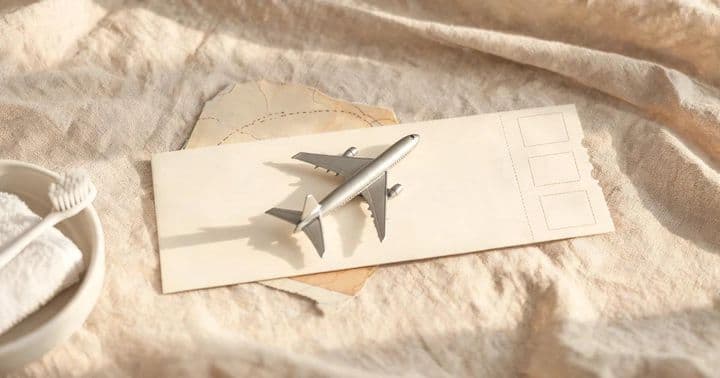
Most dental implant treatments require two trips to Turkey, separated by a healing period. Some clinics won't tell you this upfront -- we think you should know from the start.
Here's the overall timeline:
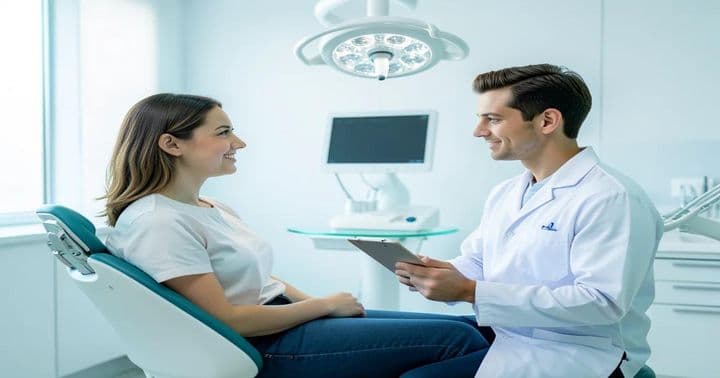
- Remote consultation -- send your X-rays, receive a treatment plan and personalised quote
- Trip 1 -- implant placement (3-5 days in Istanbul)
- Healing period -- 3-6 months of osseointegration while the implant fuses with your jawbone
- Trip 2 -- permanent crown fitting (3-5 days)
| Day | What Happens |
|---|
| Day 1 | Arrive in Istanbul, hotel transfer, panoramic X-ray, in-person consultation and treatment planning |
| Day 2 | Implant surgery (1-3 hours depending on complexity), temporary teeth fitted if applicable |
| Day 3 | Rest day with follow-up check at the clinic |
| Day 4-5 | Final examination, post-op instructions, departure |
Some patients qualify for same-day loading (immediate temporary teeth), but this depends on bone density and the number of implants. Your dentist will assess this during the consultation.
Honest note: the 3-6 month healing period between trips isn't something any clinic can speed up. Osseointegration -- the process of your jawbone fusing with the implant -- takes time. Anyone promising permanent teeth in a single trip for traditional implants is cutting corners.
Every concern covered above is something we built our practice around solving.
- Premium implants only -- we place Straumann and Nobel Biocare systems exclusively. No budget brands, no ambiguity about what's in your jaw
- JCI accredited and ISO 9001 certified -- verifiable, not just claimed
- UK dentist coordination -- when you fly home, our UK partner dentists handle your follow-up appointments. You're never without local support
- 5-year warranty on all implant work -- if something goes wrong, we fix it
- All-inclusive packages -- your quote covers everything. Bone grafting and sinus lifts are itemised upfront, no surprises at the clinic
- English-speaking team throughout your treatment, plus airport pickup and hotel coordination
The UK dentist follow-up is the part that matters most to our patients. Knowing you have a local professional monitoring your healing -- coordinated directly with your surgeon in Istanbul -- removes the biggest worry about getting dental work abroad.
Have questions about your case? Send us your X-ray for a free assessment -- no obligation, just honest advice.