Your complete dental implant aftercare guide for dental tourists. From Day 1 in Istanbul through recovery at home -- what to eat, when to fly, warning signs to watch for, and how to coordinate care remotely.
Most dental implant aftercare guides are written for patients who drive home from a local clinic. If you've had dental implants in Turkey and you're recovering in an Istanbul hotel room before a flight home, the advice needs to be different. This guide covers everything from your first hours after surgery through full recovery at home -- written by the clinic that performed the treatment, not a generic health website.
| Phase | Timeframe | Key Actions | What to Avoid |
|---|
| Immediate | Hours 0-24 | Ice packs, prescribed medication, rest, cold soft foods | Hot food, straws, spitting, smoking |
| Critical | Days 1-3 | Gentle salt rinses, elevated sleeping, soft foods | Brushing implant site, alcohol, exercise |
| Flying home | Day 3+ | Stay hydrated, pack medication in hand luggage, ice pack | Alcohol on flight, skipping medication |
| Early healing | Weeks 1-3 | Soft toothbrush on surrounding teeth, warm soft foods | Crunchy or hard foods, vigorous rinsing |
| Integration | Months 1-6 | Regular check-ups, good oral hygiene, gradual diet return | Smoking, neglecting follow-up X-rays |
| Final | Month 3-6 | Final crown fitting (Turkey or coordinated locally) | Rushing to hard foods before clearance |
The first two days are the most important for healing -- and they're the ones you'll spend in Istanbul before flying home. Here's what to expect and what to do.
Swelling, mild bleeding, and numbness are all completely normal in the first 24 hours. Swelling typically peaks around Day 3-4 before gradually reducing. Slight oozing of blood at the implant site is expected for the first few hours. Numbness from anaesthesia should wear off within 2-6 hours.
What's not normal: heavy bleeding that soaks through gauze within minutes, fever above 38C, or numbness that persists beyond 48 hours. If you experience any of these, contact your clinic immediately.
- Take prescribed painkillers exactly as directed -- don't wait until pain becomes severe
- Apply ice packs to the outside of your cheek: 20 minutes on, 20 minutes off for the first 24 hours
- Keep your head elevated when sleeping -- use an extra pillow or two
- Mild bruising on the cheek or jaw is normal and resolves within a week
If you're recovering in a hotel, ask reception for extra pillows and keep ice available. Gentle walks around the hotel or neighbourhood are fine after the first few hours -- just avoid anything strenuous.
For the first 48 hours, stick to cold or room-temperature soft foods only:
- Yoghurt, smoothies (no straws), cold soup, mashed avocado
- Ice cream (a genuine medical recommendation for once)
- Protein shakes, room-temperature water
Do not: use a straw (suction can dislodge the blood clot), drink hot beverages, consume alcohol, or eat anything that requires chewing near the implant site.
| Do | Don't |
|---|
| Ice packs: 20 min on / 20 min off | Use straws or spit forcefully |
| Take medication on schedule | Wait until pain is severe to take painkillers |
| Sleep with head elevated | Sleep flat on your face |
| Eat cold, soft foods | Eat hot, crunchy, or sticky foods |
| Gentle salt water rinse (after 24 hours) | Brush directly on the implant site |
| Stay hydrated with water | Drink alcohol or hot coffee |
| Rest and gentle walking | Exercise, lift heavy objects, or bend over |
| No smoking -- for at least 72 hours, ideally 2 weeks | Smoke (delays healing, increases failure risk) |
This is the question every dental tourism patient asks, and no other aftercare guide answers it. Here's what the evidence says.
Research published in the British Dental Journal specifically addressing dental tourism patients and flying recommends a minimum 72 hours after implant placement before flying. For straightforward single implant cases, 48-72 hours is generally considered safe. If you've had a sinus lift procedure, wait at least 2 weeks.
Cabin pressure at cruising altitude causes mild pressure changes, but these don't pose a direct risk to dental implants. You may experience slightly increased swelling -- this is normal and temporary.
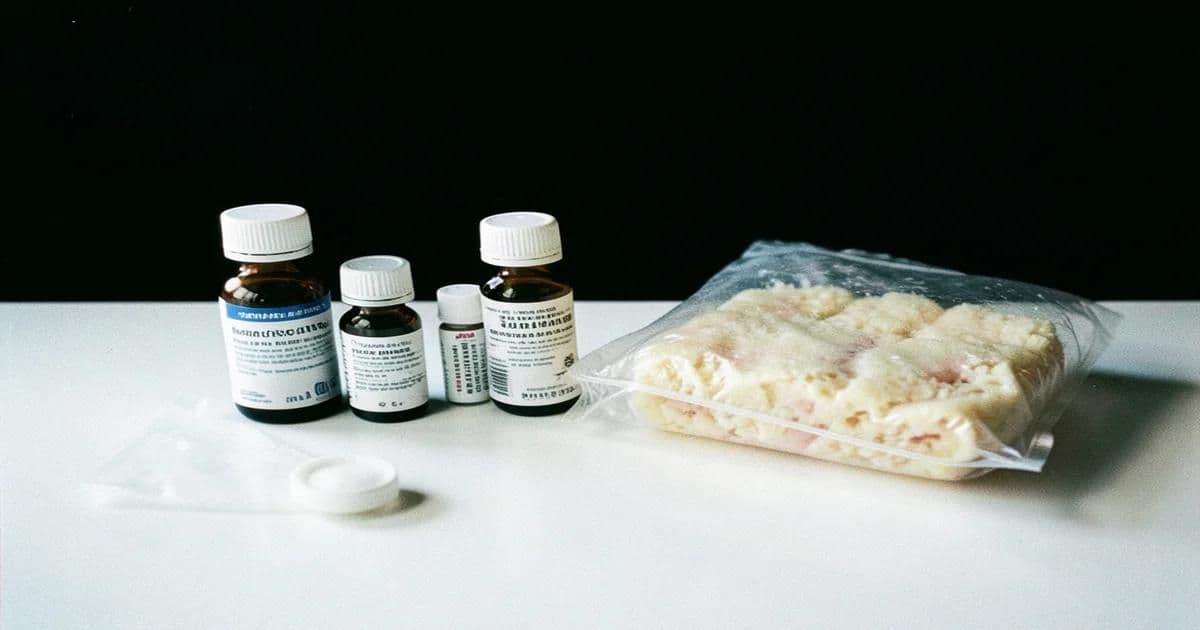
- Prescribed painkillers (in original packaging with your name on it)
- Antibiotics if prescribed (full course)
- A small ice pack or cold compress
- Soft snacks: protein bars (soft type), yoghurt pouches
- A water bottle (buy after security)
- Spare gauze pads
- Your written aftercare instructions from the clinic
- Take your regular medication dose before boarding
- Stay hydrated throughout the flight -- dehydration worsens swelling
- Avoid alcohol completely (thins blood, dehydrates, interacts with medication)
- If swelling increases, apply your cold compress
- Titanium implants do not trigger airport metal detectors -- you won't need to explain anything at security
If pain increases during the flight, take your prescribed medication and contact the clinic when you land. Don't panic -- mild discomfort during flights is common and doesn't indicate a problem.
BestDent provides written aftercare instructions in English, along with 24/7 WhatsApp support so you can reach our clinical team from anywhere.
<!-- IMAGE: healing timeline diagram showing weeks 1-24 of implant recovery -->
Understanding the full dental implant recovery timeline helps you plan your return to normal life.
Week 1: Swelling peaks around Day 3-4, then gradually reduces. Stick to soft foods. Brush your other teeth gently with a soft toothbrush, but avoid the implant site directly. Rinse gently with warm salt water after meals.
Weeks 2-3: Swelling should be mostly gone. You can start introducing warmer soft foods -- scrambled eggs, pasta, cooked vegetables, fish. Stitches dissolve on their own or are removed by a local dentist. Begin gently brushing near (not on) the implant site.
Weeks 4-6: Most normal activities can resume. Mild sensitivity around the implant area may persist but should be decreasing. You can eat most foods, avoiding only very hard or crunchy items.
Months 2-3: Osseointegration -- the process of your jawbone fusing to the implant -- is well underway. A follow-up X-ray is recommended to check progress. BestDent monitors this remotely via WhatsApp photos and shared X-rays.
Months 3-6: Osseointegration is typically complete. This is when your final dental crown or prosthetic is fitted. Depending on your case, this may require a short return trip to Turkey, or BestDent can coordinate with your local UK dentist for the final fitting.
| Timeframe | What to Expect | Key Actions | Food Guide |
|---|
| Week 1 | Swelling peaks Day 3-4, mild bleeding | Ice packs, salt rinses, prescribed medication | Cold soft foods only |
| Weeks 2-3 | Swelling reduces, stitches dissolve | Gentle brushing near site, follow-up with local dentist | Warm soft foods (eggs, pasta, fish) |
| Weeks 4-6 | Near-normal comfort, mild sensitivity | Return to most activities, continue gentle hygiene | Most foods except very hard items |
| Months 2-3 | Osseointegration progressing | Follow-up X-ray, remote monitoring | Normal diet with care |
| Months 3-6 | Osseointegration complete | Final crown fitting | Full normal diet |
Food is one of the most-searched aftercare topics, and for good reason. The wrong foods at the wrong time can disrupt healing or damage the implant site.
Phase 1 (Days 1-3): Cold soft foods only
- Yoghurt, smoothies (no straw), cold soup, mashed avocado, applesauce
- Ice cream, pudding, protein shakes
- Room-temperature water -- stay well hydrated
Phase 2 (Days 4-14): Warm soft foods
- Scrambled eggs, mashed potatoes, soft pasta, cooked vegetables
- Fish, soft rice, oatmeal, soup (warm, not hot)
- Continue avoiding anything that requires significant chewing near the implant
Phase 3 (Weeks 3-6): Semi-soft foods
- Soft chicken, tender meat, soft bread, most cooked foods
- Gradually test your comfort level with firmer foods
Phase 4 (Week 6+): Gradual return to normal
- Most foods are fine once your dentist gives clearance
- Continue avoiding: whole nuts, popcorn kernels, hard candy, chewing ice, very tough steak
| Phase | Timeline | Safe Foods | Foods to Avoid |
|---|
| 1 | Days 1-3 | Yoghurt, smoothies, cold soup, ice cream, avocado | Hot food, anything crunchy, straws |
| 2 | Days 4-14 | Eggs, pasta, fish, soup, mashed potato, oatmeal | Hard bread, raw vegetables, nuts |
| 3 | Weeks 3-6 | Soft chicken, cooked vegetables, soft bread | Hard candy, popcorn, tough meat |
| 4 | Week 6+ | Most foods (with dentist clearance) | Chewing ice, hard nuts in shell |
Knowing the difference between normal healing and a problem that needs attention will save you unnecessary worry -- and catch real issues early.
Normal symptoms (don't panic):
- Swelling that peaks at Day 3-4 and gradually reduces
- Bruising on cheek or jaw (resolves in 7-10 days)
- Mild bleeding or oozing for the first 24 hours
- Numbness for up to 48 hours after surgery
- Mild discomfort managed by prescribed medication
Warning signs (contact your clinic):
- Fever above 38C -- possible infection
- Pain increasing after Day 3 instead of decreasing
- Heavy bleeding that doesn't stop with gentle gauze pressure
- Pus or foul taste around the implant site
- Implant feels loose or mobile when touched
- Numbness persisting beyond 48 hours -- possible nerve involvement
| Symptom | Normal or Concern? | Action to Take |
|---|
| Swelling, Days 1-4 | Normal | Ice packs, keep head elevated |
| Swelling after Day 7 | Concern | Contact clinic, send photos |
| Mild oozing, Day 1 | Normal | Gentle gauze pressure |
| Heavy bleeding, any day | Concern | Gauze pressure + contact clinic urgently |
| Mild discomfort, Weeks 1-2 | Normal | Continue prescribed medication |
| Increasing pain after Day 3 | Concern | Contact clinic immediately |
| Bruising | Normal | Resolves in 7-10 days |
| Fever above 38C | Concern | Contact clinic -- possible infection |
If you're already back in the UK, contact BestDent's 24/7 WhatsApp support. Send photos of the area. We'll assess remotely and, if needed, coordinate with your UK dentist for in-person follow-up. Most concerns can be resolved without an emergency trip back to Turkey.
The patient-clinic relationship doesn't end when you leave Istanbul. Here's what proper aftercare coordination looks like:
- Written aftercare instructions provided at discharge -- in English, clearly formatted, covering everything in this guide
- 24/7 WhatsApp support with our English-speaking clinical team. Text any time, even months after your procedure
- Remote monitoring: send us photos and X-rays from your local dentist. We review progress and advise on next steps
- UK dentist coordination: we send your complete treatment records, X-rays, and treatment plan to your UK dentist. This makes local follow-up seamless
- Second-trip planning: if you need to return for your final crown fitting, we help schedule a short follow-up visit at your convenience
- 5-year warranty on all implant work. If there's an issue with the implant itself, we cover it
- Free follow-up consultations -- virtual or in-person, for as long as you need them
Have questions about recovery after your implant surgery? Contact our clinical team any time -- even if your treatment was months ago.