A smile makeover combines veneers, crowns, whitening, and gum contouring into a single personalised treatment plan. In Turkey, the Digital Smile Design process lets you preview your new smile before a single tooth is touched — backed by a 5-year guarantee.
Last updated: April 2026
A smile makeover in Turkey isn't a single procedure — it's a bespoke combination of veneers, crowns, whitening, gum contouring, and alignment treatments, all mapped to your face, lip line, and existing tooth structure. One-size-fits-all "Hollywood looks" don't work because every smile is different. Below: how the process works, which materials do what, the two-trip protocol, and how to avoid the "Turkey teeth" pattern entirely.
Quick Summary
Criteria
Smile Makeover in Turkey
Total duration
5–10 days (single trip) or 2 trips (if implants are involved)
Well below UK or EU clinic prices through health tourism
What Is a Smile Makeover?
A smile makeover is a comprehensive cosmetic dentistry process in which aesthetically inadequate or functionally damaged teeth are redesigned by combining — in a personalised plan — techniques such as porcelain veneers, zirconia crowns, professional whitening, composite bonding, gum contouring, and clear aligner orthodontics. It is not a single procedure. It is a treatment map built specifically for you.
That distinction matters more than it might seem. A single procedure — just whitening, or just four veneers — rarely delivers the result patients expect. A smile works as a whole: tooth colour, tooth shape, gum level, lip line, and centreline alignment all interact. Fix one and ignore the others and you end up with something like "new veneers on the old gum line" — a result that looks assembled rather than designed.
Some practical examples of how this plays out: a patient with worn front teeth and years of discolouration might need 6–8 E-max laminates combined with in-office whitening. A patient with an uneven gum line (gummy smile) and mild crowding needs a completely different plan — first Invisalign to align the teeth, then gingivoplasty to reshape the gums, and finally four composite bonding points. Same general category, entirely different treatment.
Smile makeover covers a wide spectrum. At one end, a "mini smile makeover" addresses a small number of front teeth (usually 2–4) with limited procedures. At the other end, a "full smile makeover" transforms the entire smile line — 8–16+ teeth, gum contouring, and alignment included. Which one suits you is covered in the section below. The American Academy of Cosmetic Dentistry (AACD) itself defines a smile makeover as "a personalised treatment plan, not a single procedure" — the AACD Smile Gallery shows the range of case types this covers.
Mini vs Full Smile Makeover: Which Is Right for You?
A mini smile makeover typically involves limited procedures: professional whitening, composite bonding, and the lamination of 2–4 front teeth. A full smile makeover addresses the entire smile line (8–16+ teeth), any gum asymmetry, alignment issues, and implants where needed. The right choice depends on your current dental condition, your aesthetic goals, and a clinical examination — not something that can be decided on the internet alone.
Four questions that help narrow it down:
How many teeth are visible when you smile? If you show 6–8 teeth, you're likely in mini territory. If you show 10 or more, full planning is probably needed.
Is the issue just colour, or shape and size too? Colour alone might be solved by whitening. Shape problems bring composite bonding or veneers into the picture.
Is your gum line symmetrical? If not, placing veneers without gingivoplasty first won't save the result.
Are you missing any teeth? If yes, the plan automatically becomes full-scope and a two-trip protocol applies.
Partially irreversible (where preparation is required)
The honest answer: only a clinical examination and a DSD preview give you a definitive answer. The American Dental Association (ADA) — Cosmetic Dentistry guide makes the same point — overall oral health must be assessed before any cosmetic treatment begins.
Smile Makeover, Hollywood Smile, and "Turkey Teeth": What's the Difference?
A smile makeover is a personalised treatment plan — the procedures used vary from patient to patient. A Hollywood smile is a specific aesthetic type, typically created with 16–20 uniform, bright-white veneers across the front teeth. "Turkey teeth" is a cautionary term that emerged from social media, describing cases where aggressive tooth reduction was used to fit caps quickly — it describes a clinical risk pattern, not a legitimate treatment approach.
These three concepts get confused constantly, and that confusion costs patients. Someone expecting a Hollywood smile result but getting the Turkey teeth process ends up paying for a smile makeover and receiving neither. That's why the table below sits at the centre of this guide:
The "Turkey teeth" term gained traction in UK media from around 2021 — largely via tabloid coverage of celebrity cases. Rather than tarring an entire country, the honest framing is this: it's a clinical selection problem, not a country problem. Clinics operating unethically exist everywhere. What matters is recognising the warning signs — aggressive preparation, no mock-up, vague guarantees. Our guide on whether dental treatment in Turkey is safe gives a detailed framework for clinic selection.
For those specifically considering a Hollywood smile: our Hollywood Smile Turkey guide explains how the Hollywood aesthetic sits within the broader smile makeover spectrum — it's one possible outcome, not the default finish line. What we regularly see at the clinic: a patient arrives requesting a Hollywood smile, then during the DSD mock-up trial they see that ultra-bright, uniform white doesn't actually suit their lip line, and they ask for something a bit more natural. That's the moment the patient genuinely understands why personalisation matters.
The British Dental Association (BDA) and General Dental Council (GDC) patient guidance both flag clinics that skip mock-ups, fail to provide written treatment plans, and offer unclear guarantee terms as warning signs. BestDent requires mock-up approval on every case for precisely this reason: to avoid aggressive preparation and to meet the obligations of a 5-year guarantee.
Plain summary: Smile makeover = a smart, personalised plan. Hollywood smile = a specific aesthetic preference. Turkey teeth = a pattern to avoid entirely.
How Is a Personalised Smile Designed? (DSD + Mock-up)
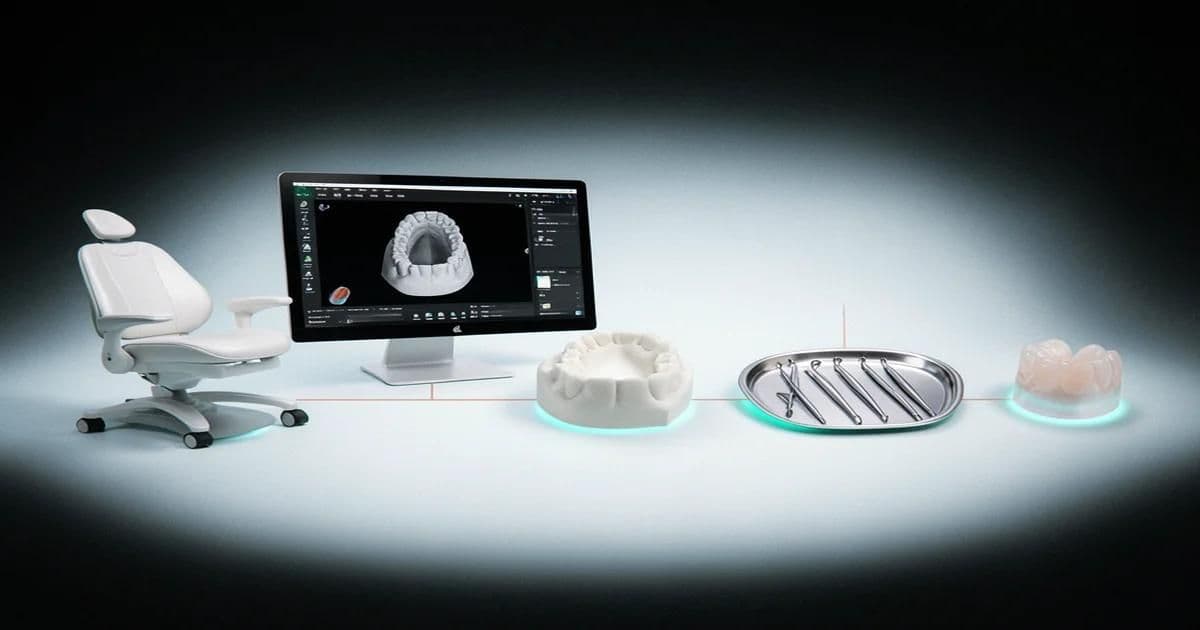
Smile design starts with digital photography and intraoral scanning. The Digital Smile Design (DSD) software generates a 3D preview of the intended result, and a temporary mock-up (trial smile) is placed on your teeth so you can see the outcome in your own mouth — before any permanent work begins. Only when you have given your approval does the permanent treatment proceed. Any cosmetic work done without a mock-up is not a smile makeover.
At our clinic, we follow a five-step protocol:
Consultation and facial photography. Profile shots, full-face shots, and dynamic smile videos are taken. Your lip line, facial proportions, and centreline are all assessed.
Intraoral scanning. Instead of traditional impression trays, a digital scanner creates a precise 3D model of your teeth. It's more accurate, and far more comfortable — no more gagging on impression putty.
DSD digital design. Following the DSD protocol described by Coachman & Calamita (PubMed: Coachman 2012), the new tooth shape, colour, and proportions are designed digitally on top of your facial photographs. The DSD App official site outlines this global standard.
Mock-up (trial smile) placement. Using temporary acrylic material, the designed smile is placed on your teeth in about 30 minutes. You talk, smile, and try it in front of a mirror. Feedback — "can we make that tooth slightly longer?" or "that white feels too bright" — is incorporated and the design is revised. This step is the turning point of the whole process.
Permanent treatment. Only after your approval is permanent preparation carried out, restorations are fabricated in the laboratory, and fitted at the final appointment.
We always recommend patients don't skip the mock-up stage. You're making an irreversible decision — dental enamel doesn't regenerate — and seeing a physical prototype in your own mouth before committing is simply the sensible way to do it. Our guide to preparing for dental treatment in Turkey covers exactly what to bring to your consultation and the questions worth asking.
Procedures That Can Be Included in a Smile Makeover
Procedures that can form part of a smile makeover plan include: porcelain veneers, E-max laminates, zirconia crowns, composite bonding, professional teeth whitening, gum contouring (gingivoplasty), Invisalign clear aligners, and implants where a tooth is missing. Which combination is chosen depends on your existing tooth structure, aesthetic goals, longevity expectations, and reversibility preferences. Most patients need a combination of 3–5 procedures — a single procedure alone rarely achieves the full result.
Procedure
When it's chosen
Longevity
Reversibility
Porcelain Veneer
Colour + mild shape concerns
10–15 years
Minimal preparation — partially reversible
E-max Laminate
Front aesthetic, minimal reduction
10–15 years
No-prep options available
Zirconia Crown
Major structural damage, back teeth, implant-supported
15+ years
Irreversible
Composite Bonding
Small chips, gaps, minor shape corrections
3–7 years
Fully reversible
Teeth Whitening
Colour concern only
1–3 years (with maintenance)
Reversible
Gum Contouring (Gingivoplasty)
Gummy smile, asymmetric gum line
Permanent
Surgical — irreversible
Invisalign
Mild to moderate alignment issues
Permanent (with retainer)
Reversible
Implant
Missing tooth
20+ years (with osseointegration)
Irreversible
Each procedure has its particular use case. Our porcelain veneers guide covers the colour-and-shape correction scenario in detail; for more significant structural damage, zirconia and E-max crowns are the load-bearing solution. If colour is your only concern, professional teeth whitening may be all you need — no veneer required. And where mild crowding exists, Invisalign alignment should come before veneers, not after — placing straight white veneers on crooked teeth is like painting the walls before fixing the foundations.
The logic of combining procedures: whitening almost always comes first — tooth colour is standardised, then veneer shade is matched to it. If gum contouring is needed, it happens before the veneers, otherwise the final restorations end up sitting at the wrong level. For longevity data, American College of Prosthodontists figures show that with proper maintenance, more than 90% of ceramic restorations comfortably pass the 10-year mark.
One honest note: a veneer alone is often not the answer for most smile makeover cases. Be wary of clinics that sell veneers as the universal solution — that's typically where the Turkey teeth pattern begins.
Who Is a Candidate for a Smile Makeover?
To be a candidate for a smile makeover, your general oral health needs to be sound: no untreated decay, no active gum disease, and sufficient gum and bone support. Active periodontitis, significant bruxism (teeth grinding or clenching), and uncontrolled systemic conditions — including uncontrolled diabetes, active chemotherapy, and the first trimester of pregnancy — need to be addressed before cosmetic work begins. A definitive suitability decision cannot be made without a clinical examination.
You may be a good candidate if:
Your gum health is sound (no bleeding, no recession)
Your teeth are structurally healthy but aesthetically inadequate
You have clear, realistic expectations about the outcome (which the mock-up step confirms)
You're able to commit to the maintenance routine post-treatment (six-monthly hygiene appointments, wearing a night guard if needed)
You're 18 or over (dental development should be complete)
These need to be resolved first:
Active gum inflammation or periodontitis
Untreated cavities
Significant bruxism — a night guard is a prerequisite
Uncontrolled diabetes, active chemotherapy, or the first trimester of pregnancy
Heavy smoking (significantly reduces restoration longevity)
The NHS — Cosmetic Dentistry guidance makes the same point: oral health must be stable and expectations realistic before cosmetic treatment is considered. This list is for initial self-assessment only — a definitive decision requires a clinical examination, X-rays, and digital scanning.
How Long Does a Smile Makeover Take in Turkey? (Single Trip vs Two Trips)
A smile makeover in Turkey typically takes 5–10 days in a single trip. If the case involves implants or bone grafting, the protocol extends to two trips: the first visit covers implant placement (3–5 days), followed by 3–4 months of osseointegration at home, then the second visit for the permanent restorations (5–7 days). Cases involving only veneers, crowns, and whitening are completed in a single trip.
Scenario
Total duration
No. of trips
Time in Turkey
Whitening + bonding only (mini)
2–3 days
1
3 days
Veneer/crown combination
5–7 days
1
7 days
Full makeover (veneers + gum work + whitening)
7–10 days
1
10 days
Makeover + implant (no bone graft)
~4 months
2
5 days + 5 days
Makeover + implant + bone graft
~6 months
2
7 days + 7 days
A typical 7-day single-trip makeover runs something like this: Day 1 — consultation, photography, X-rays, and DSD digital design. Day 2 — mock-up trial and approval. Days 3–4 — permanent preparation, digital impressions, and temporary restorations fitted. Days 5–6 — laboratory production time (a good opportunity to explore Istanbul). Day 7 — permanent restorations tried in, colour-checked, fitted, and bite adjusted. A light check-up 24 hours later and you're ready to fly home.
One warning sign worth knowing: promises of "20 veneers in 3 days" or "a complete smile transformation in a single day" are red flags. The laboratory process, precise shade-matching, and occlusion checks physically cannot be rushed to that pace. Our dental tourism in Turkey guide covers the logistics in detail; our preparing for treatment guide has a pre-flight checklist.
Our all-inclusive package at BestDent covers hotel accommodation, airport transfers, an English-speaking coordinator throughout, and post-treatment UK follow-up. For those interested in the regulatory framework, the Turkish Ministry of Health — Health Tourism site publishes the criteria for accredited clinics.
Material Options: E-max, Zirconia, Porcelain, Composite
Smile makeover materials are chosen based on the position and function of the tooth: aesthetics-first materials (E-max lithium disilicate, thin porcelain laminates) for front teeth, durability-first materials (monolithic zirconia) for back teeth and implant-supported restorations. Composite bonding is a strong option for minimal intervention and immediate results, though its shorter lifespan (3–7 years) needs factoring in. Material selection follows the clinical picture — aesthetic goal, tooth position, bite forces, and reversibility preference.
E-max (lithium disilicate): The material that most closely mimics the translucency of natural teeth. The gold standard for front teeth. Can be made as thin as 0.3–0.5 mm — maximum aesthetics with minimum tooth reduction.
Zirconia (monolithic or layered): The most durable option. Used for back teeth, implant-supported restorations, and patients with bruxism. Layered zirconia (porcelain-fused) also delivers strong aesthetic results for front teeth.
Porcelain laminate: The thinnest and most conservative option. Some cases require no tooth preparation at all ("no-prep" laminates). Reserved for premium aesthetic cases, though it doesn't suit every tooth structure.
Composite bonding: Completed in a single session, fully reversible, and easily adjusted. Ideal for small chips, gap closure, and minor shape corrections. Shorter lifespan (3–7 years) and more prone to staining.
At BestDent, we use only CE-approved materials from European laboratories — not because it sounds good on a website, but because it's a prerequisite for honouring a 5-year guarantee. If your plan includes implant-supported restorations, our zirconia vs titanium comparison covers the substructure side in detail. For the evidence base on ceramic longevity, current meta-analyses on PubMed (including work by Sulaiman et al.) consistently report 10-year survival rates above 90%.
Risks, Limitations, and How to Avoid "Turkey Teeth"
The main risks of a smile makeover: preparation for crowns and veneers is irreversible (dental enamel cannot be regenerated), post-operative sensitivity typically lasts 2–6 weeks, bite imbalance is possible, and restorations will eventually need replacing. The "Turkey teeth" appearance results from aggressive tooth reduction — and it's preventable with a conservative approach. Any clinic that begins permanent preparation without mock-up approval is displaying a clear warning sign.
The realities, stated plainly:
Irreversibility. Crown preparation removes approximately 1.5–2 mm of tooth structure; veneer preparation removes 0.3–0.7 mm. Lost enamel doesn't grow back. This is why mock-up approval is an ethical obligation, not a marketing add-on.
Post-op sensitivity. Cold and heat sensitivity after preparation typically lasts 2–6 weeks. Sensitivity that persists beyond that needs clinical review — it's not normal.
Bite and occlusion. When the smile line changes, the way your upper and lower teeth meet changes too. Poorly calibrated occlusion causes jaw pain, headaches, and restoration fractures.
Long-term replacement. Veneers and crowns are long-lasting, not permanent. Factor in the likelihood of replacement at 10–15 years.
Four red flags for the Turkey teeth pattern: (1) no mock-up is offered, (2) promises of 20+ veneers in a few days, (3) no written treatment plan provided, (4) guarantee terms that are vague or heavily conditional. Our dental safety in Turkey guide has a more detailed checklist for clinic selection.
In recent years, the majority of revision cases we've seen come from crowns fitted without mock-up approval — and most of those situations can only be partly corrected, not fully reversed. We're honest about this: we also turn away patients. If someone's clinical picture doesn't fit the procedure, or their expectations aren't realistic, we say so. Results are individual, and a clinical examination is mandatory. The NHS risk guidance supports this realistic-expectations framework as an official reference point.
Post-Treatment UK Follow-up and the BestDent Approach
UK follow-up after a smile makeover in Turkey is a coordinated process: a 6-week occlusion check, 6-monthly hygiene appointments, and for any warranty claims, a photo and documentation-based remote assessment. BestDent formally transfers your treatment plan, X-rays, and material specifications to your UK dentist, so the handover is clean. Treatment happens in Turkey — follow-up stays continuous.
Here's how it works once you're home:
First 6 weeks: Occlusion check. A photo report is sent to your UK dentist; if local follow-up is indicated, we'll coordinate that with you.
6 months: Routine hygiene clean and veneer/crown polish check.
Annually: X-ray check and wear assessment. Night guard reviewed and adjusted if needed.
Warranty claims: If something chips or comes loose, photos and a brief description go to the clinic via WhatsApp. The majority of cases can be assessed remotely and repaired locally via our UK partner clinics. Where a significant revision is needed, a follow-up trip is coordinated at no charge.
What makes BestDent different — and why we've put this section near the end rather than at the top — comes down to a few specifics: JCI/ISO 9001 certifications, exclusive use of premium implant brands such as Straumann and Nobel Biocare, a 5-year guarantee, a conservative (non-aggressive) preparation philosophy, and a 24/7 English-speaking team. More than 300 personalised smile plans have been designed and treated at the clinic, each coordinated with the patient's UK dentist throughout. For more on selecting a clinic you can trust, our guide to choosing a dental clinic in Turkey is the practical starting point. For cases involving implants, our post-treatment aftercare guide picks up where the treatment leaves off. For accreditation standards, Joint Commission International outlines what international certification actually requires.
Next Step
A smile makeover is not a single procedure — it's a personalised treatment plan built around your face, your teeth, and your goals. Done right in Turkey, at a clinic with the proper credentials, it offers quality materials, an experienced team, and significant savings compared to UK prices through health tourism. At BestDent, the 5-year guarantee, UK dentist coordination, and mandatory mock-up approval define how every case is handled.
To start planning your personalised smile design, get your free consultation — we respond via WhatsApp within 24 hours. Send us your photos and we'll carry out a preliminary assessment to determine whether a smile makeover is the right plan for you.
This content was prepared by the BestDent Ataşehir clinical team and content editor Mert Batur. More than 300 personalised smile makeover plans have been designed and treated at BestDent; all content is reviewed against JCI/ISO-certified clinical standards. This guide is for general information purposes — a clinical examination is required for any definitive treatment plan.
Whether it's your first visit or you're a returning patient, our team is here to provide you with personalized care in a relaxed and friendly environment.